The NIHR Global Health Research Group on Physical Trauma from Injury and Post-Conflict (iPrOTeCT) is working to improve the care and rehabilitation of people affected by physical trauma, particularly in low-resource and post-conflict settings, through collaborative research, capacity strengthening, and context-appropriate healthcare innovations. The convention brings together academic institutions, clinicians, and researchers from the United Kingdom, Sri Lanka, Rwanda, and Lebanon, forming a strong international and interdisciplinary partnership. The consortium is jointly led by Professor Anthony Bull of Imperial College London, Professor Ruwan Gopura of the University of Moratuwa, Sri Lanka, Professor Abebe Bekele of the University of Global Health Equity in Rwanda, and Dr. Ghassan Abu Sittah of the American University of Beirut, Lebanon.
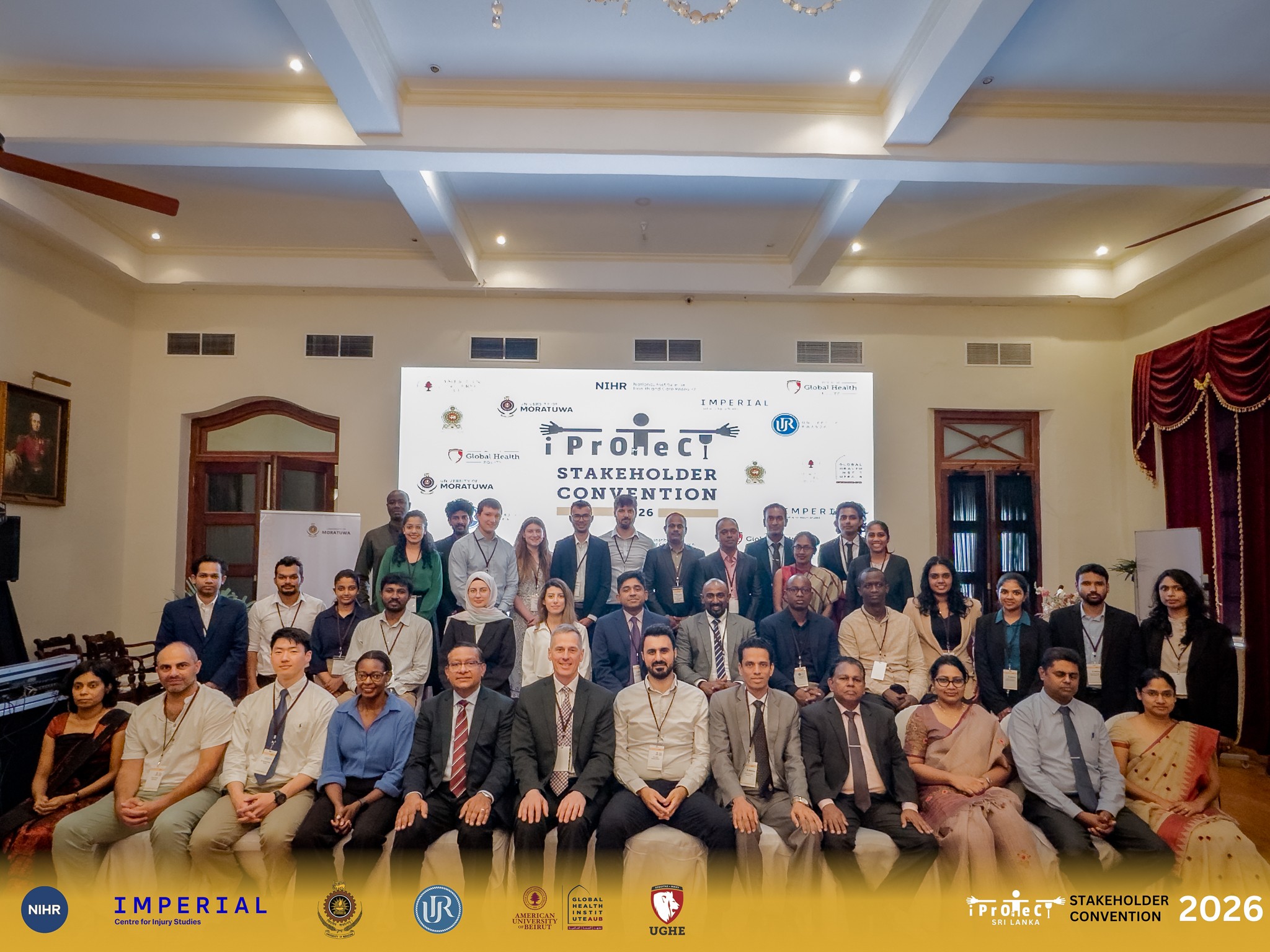
As iPrOTeCT approaches the final year of its program, the collaboration continues to advance research, strengthen capacity, and support the translation of research and innovation into meaningful improvements in trauma care and rehabilitation. Against this backdrop, this year’s stakeholder convention under the iPrOTeCT program, funded by the NIHR, was successfully hosted by the University of Moratuwa (UoM) from 21 to 23 July 2026. Held at the Maitland State Room of the Mount Lavinia Hotel, the three-day convention provided an important platform for partners and stakeholders to reflect on progress, exchange knowledge and experiences, strengthen collaboration, and consider priorities for the program’s final year and beyond. The convention featured a comprehensive agenda of discussions, stakeholder engagement, site visits, and networking opportunities.
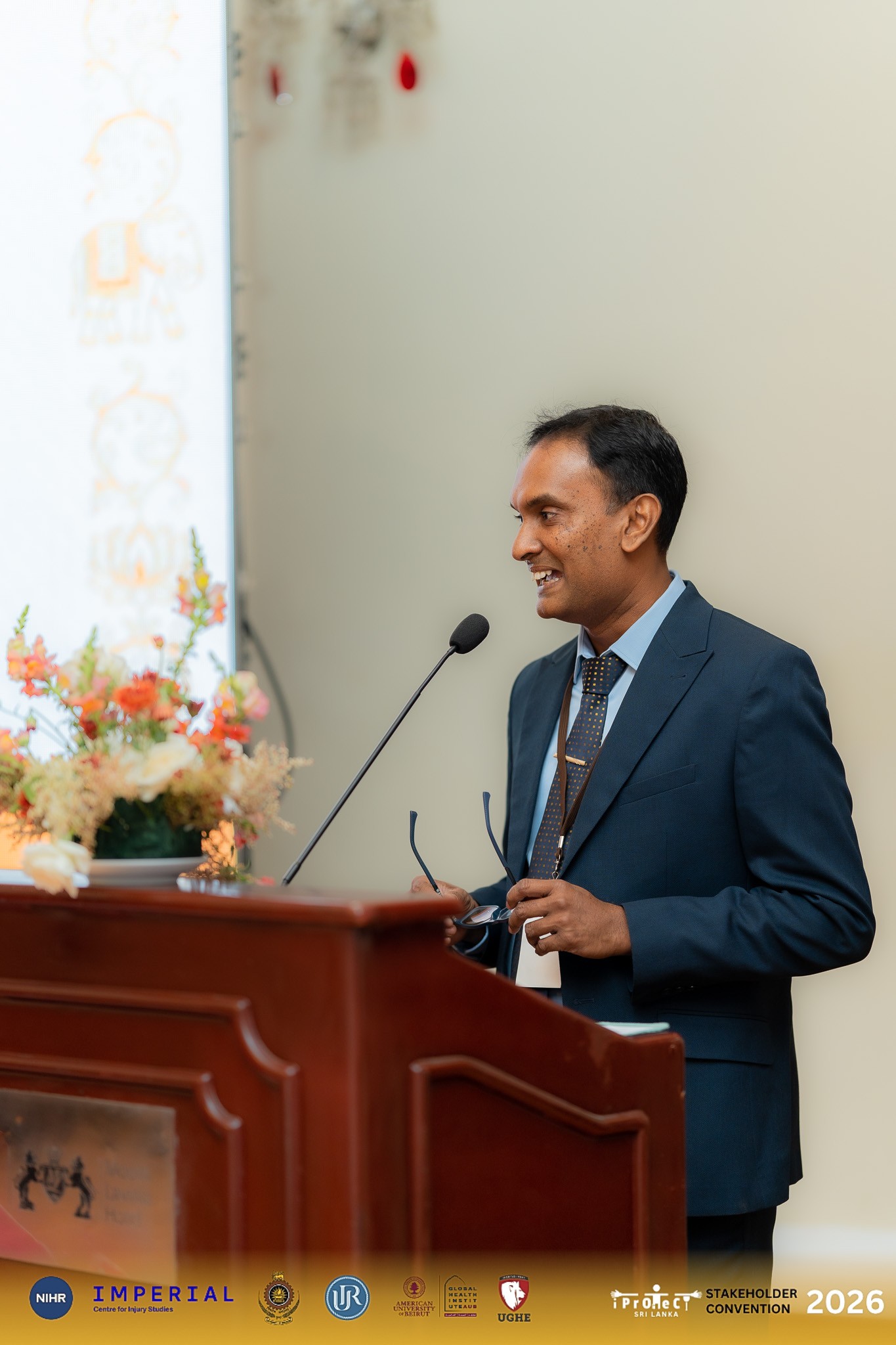
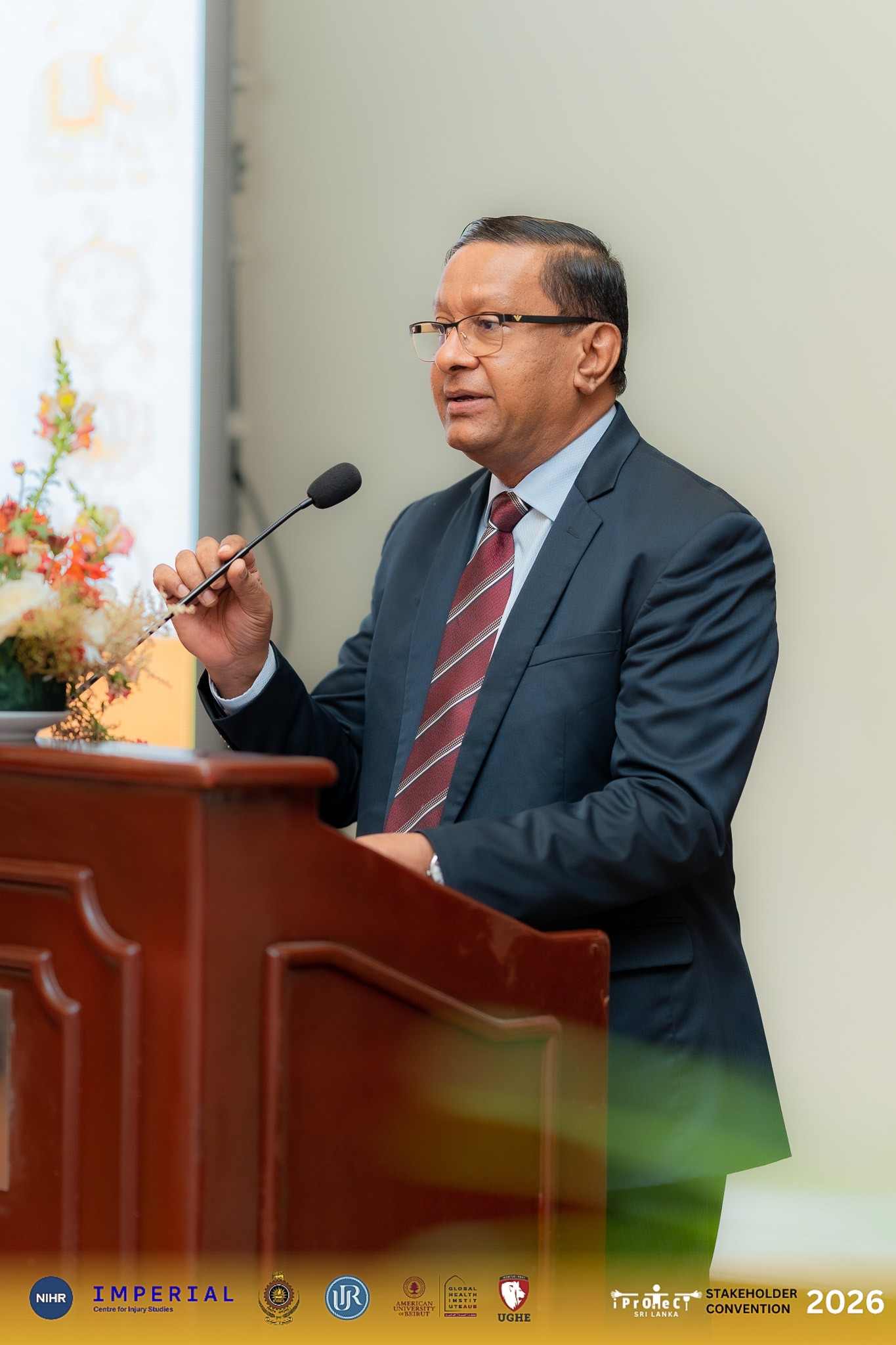
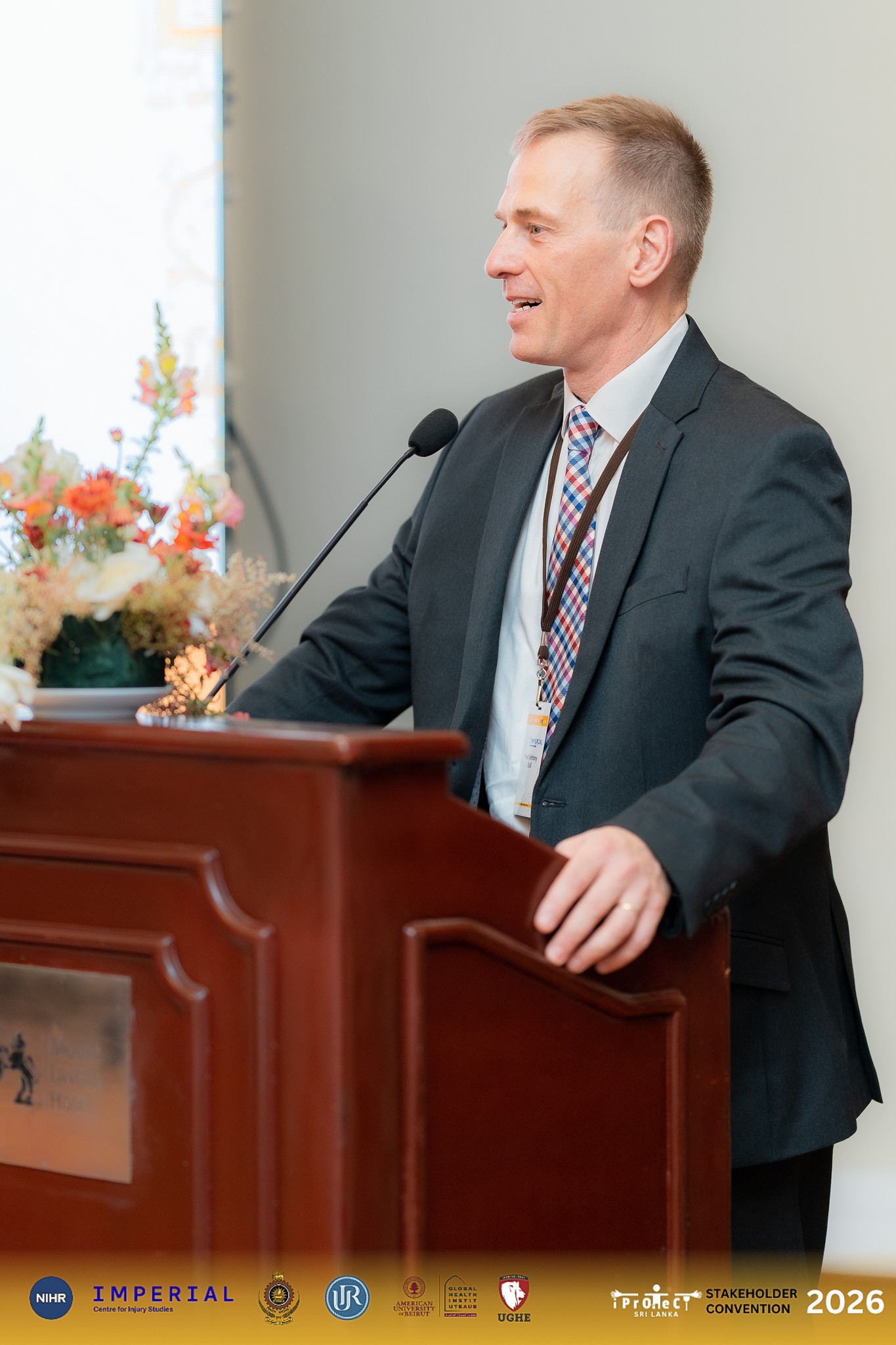
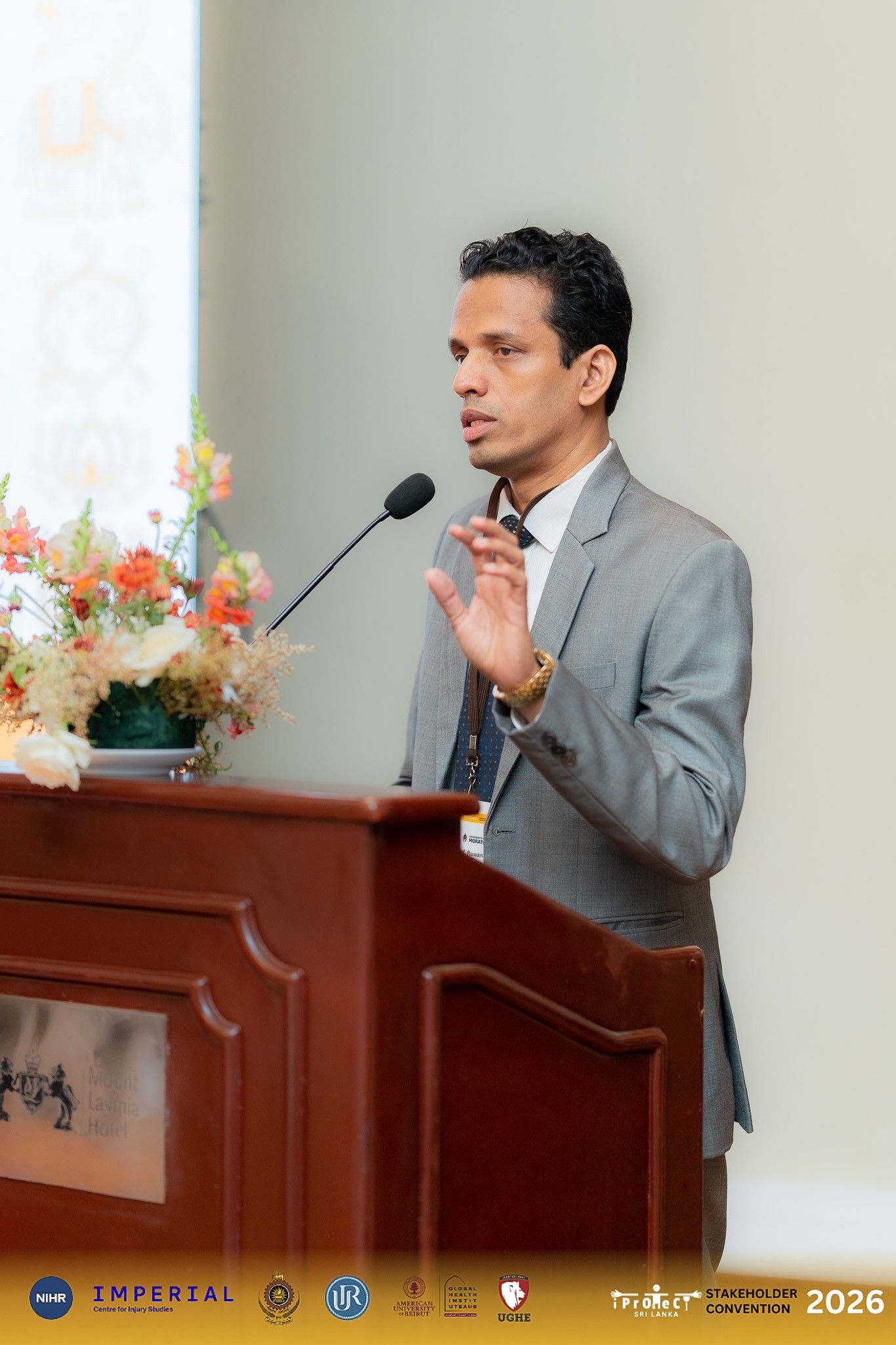
The program commenced with welcoming remarks from Dr. Pubudu Ranaweera, UoM’s iPrOTeCT project coordinator, followed by an overview of the project presented by Prof. Anthony Bull. Prof. Jagath Manathunga, Dean of the Faculty of Engineering, delivered an inspiring guest speech that set an engaging tone for the gathering.
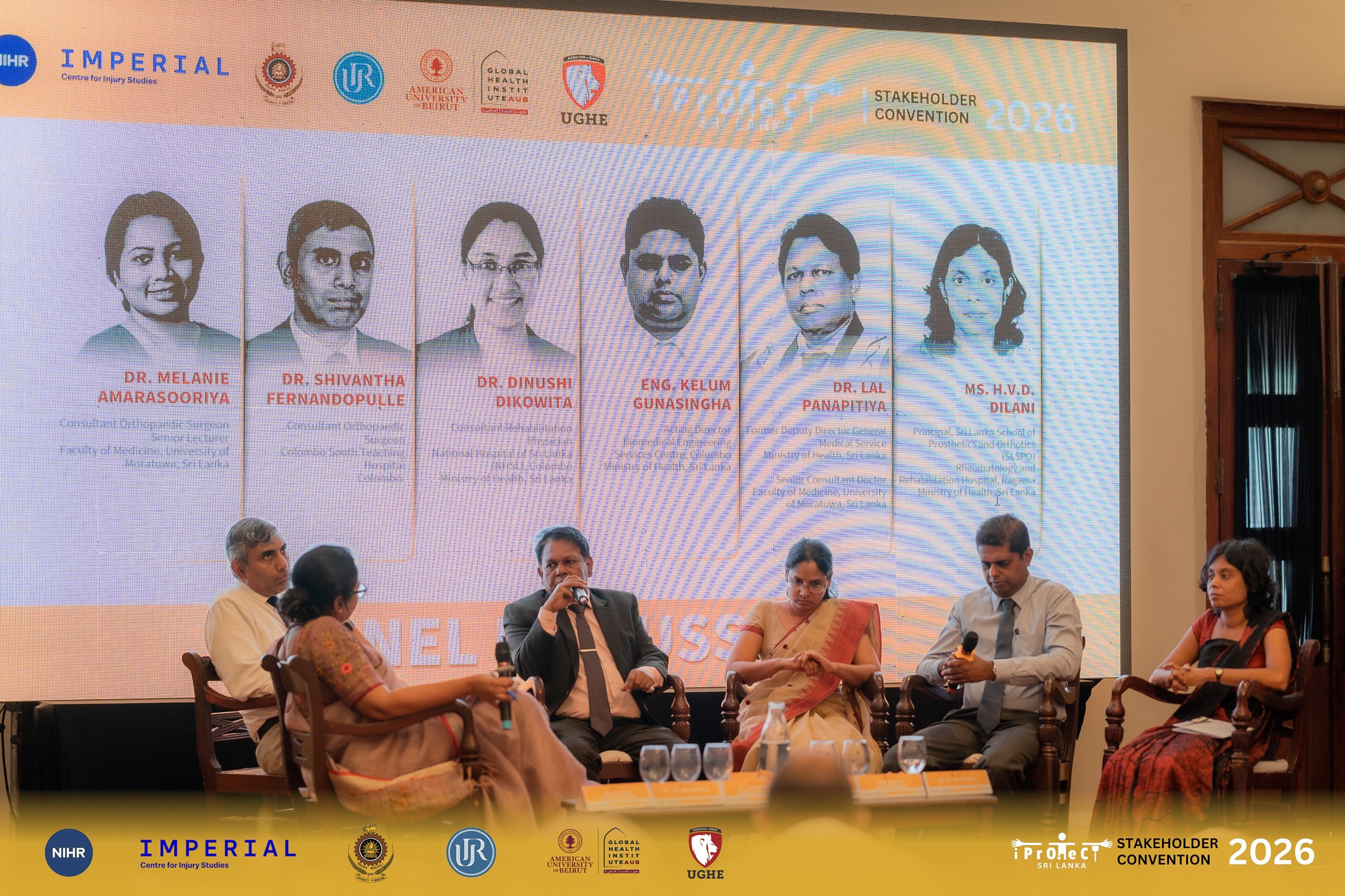
A key highlight on the first day was a panel discussion on Sri Lanka’s experiences in physical trauma care, rehabilitation, research, and innovation systems. Moderated by Dr. Melani Amarasooriya (Consultant Orthopaedic Surgeon), the session featured expert contributions from Dr. Lal Panapitiya (Former Deputy Director General Health Services, Ministry of Health), Dr. Shivantha Fernandopulle (Consultant Orthopaedic Surgeon), Dr. Dinushi Dikowita (Consultant Rehabilitation Physician), Eng. Kelum Gunasingha (Acting Director, Division of Biomedical Engineering Services), and Ms. H.V.D. Dilani (Principal, Sri Lanka School of Prosthetics and Orthotics). The discussion explored lessons learned, challenges encountered, and strategies for scaling and sustaining trauma-related initiatives across various settings.
Day two centred on strategies for ensuring the long-term sustainability of iPrOTeCT. Discussions emphasized future collaborative research, innovation, training, and institutional partnerships, with a focus on translating project outputs into lasting impact.
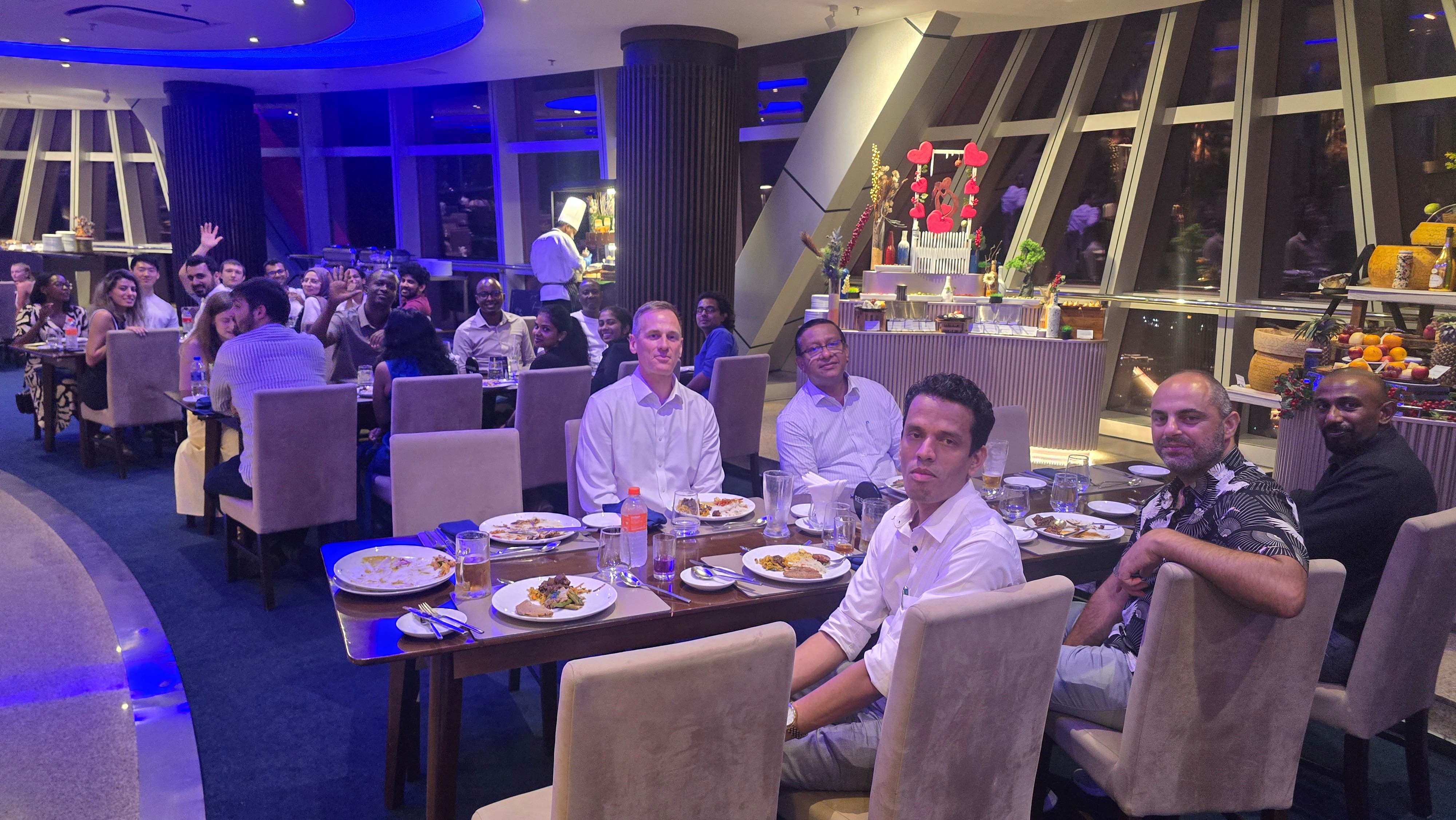
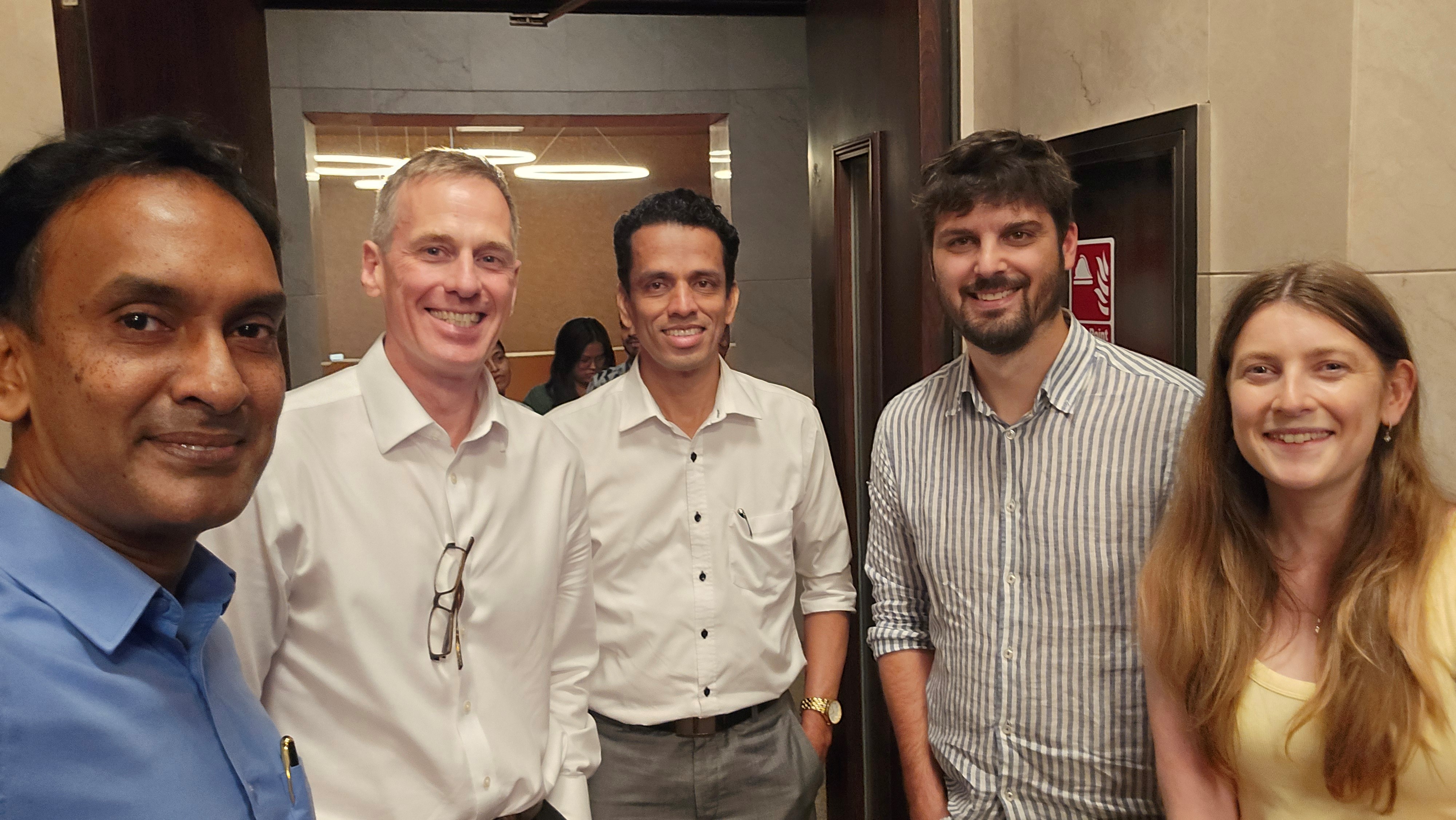
Later that evening, UoM hosted a memorable welcome dinner at Blue Orbit by Citrus in the Lotus Tower, bringing together iPrOTeCT team members from the UK, Rwanda, Lebanon, and Sri Lanka.
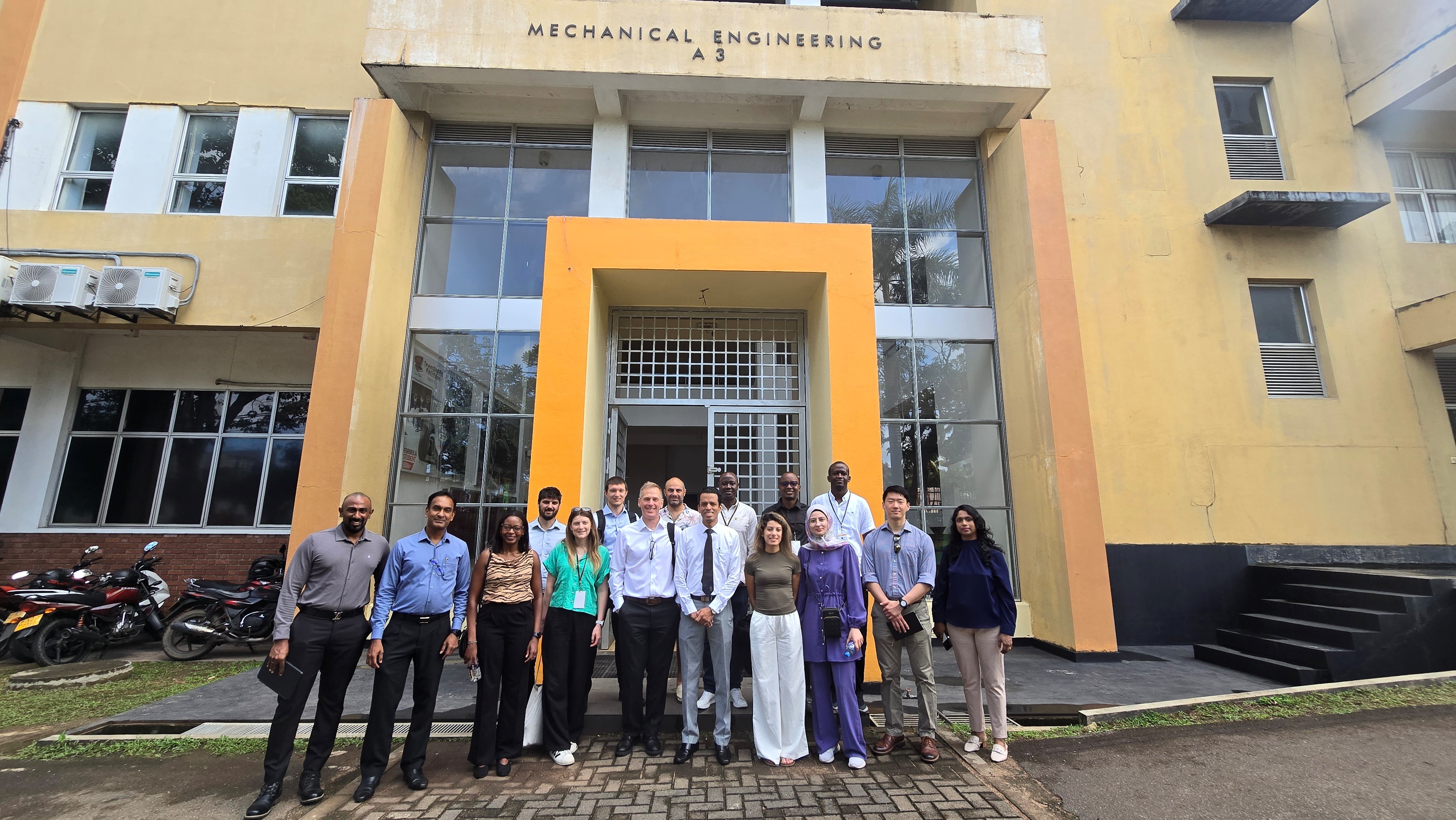
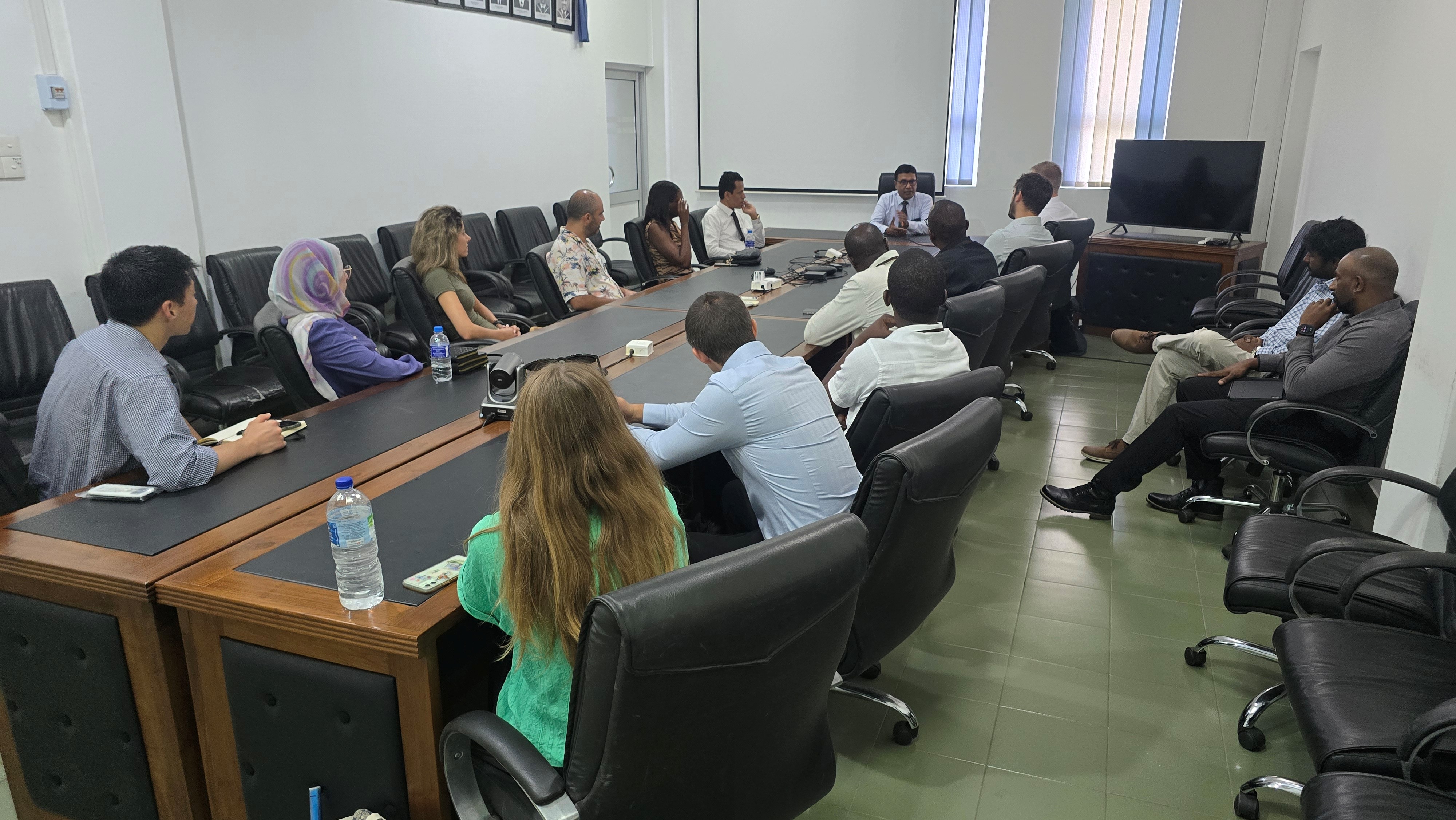
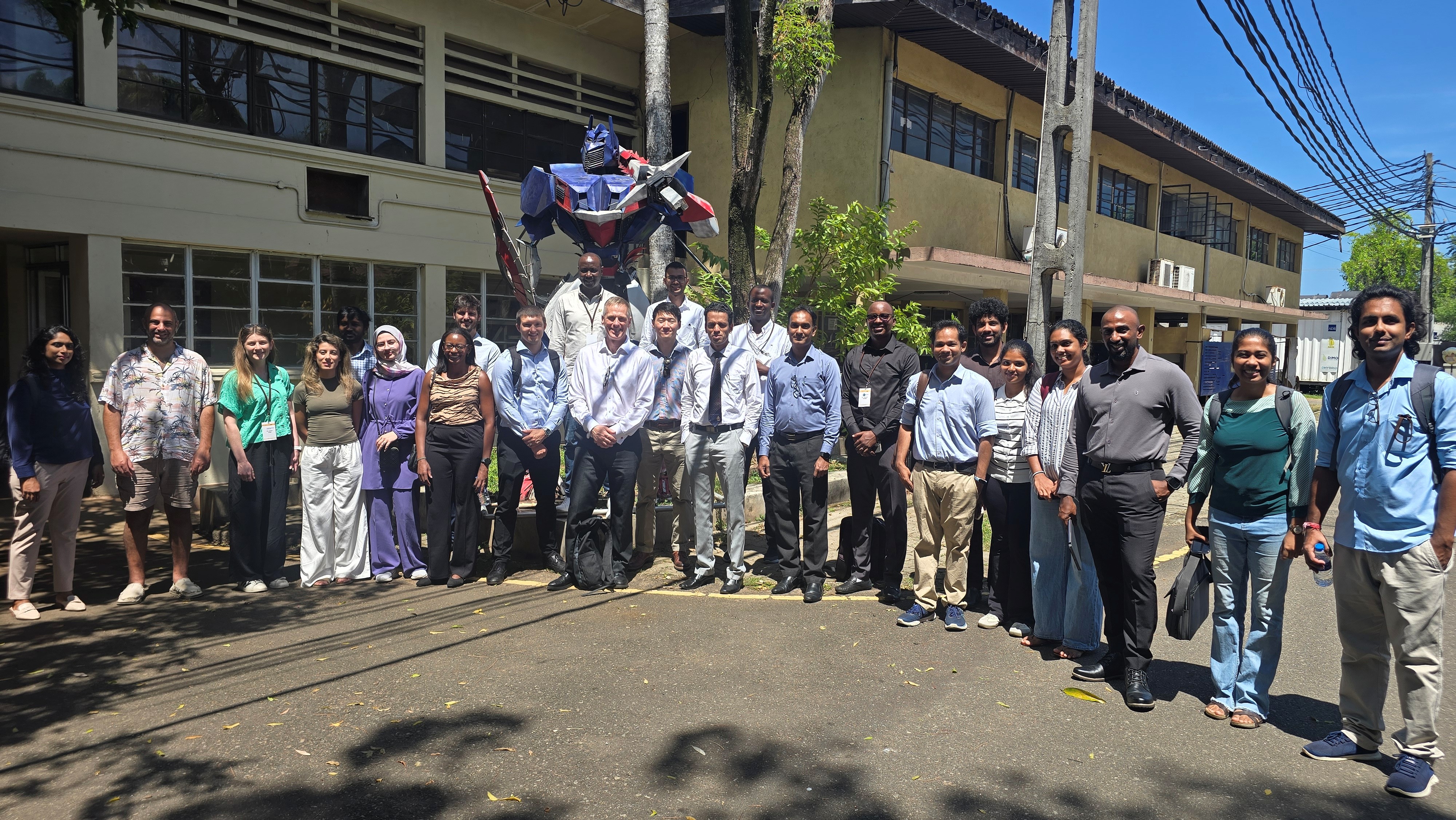
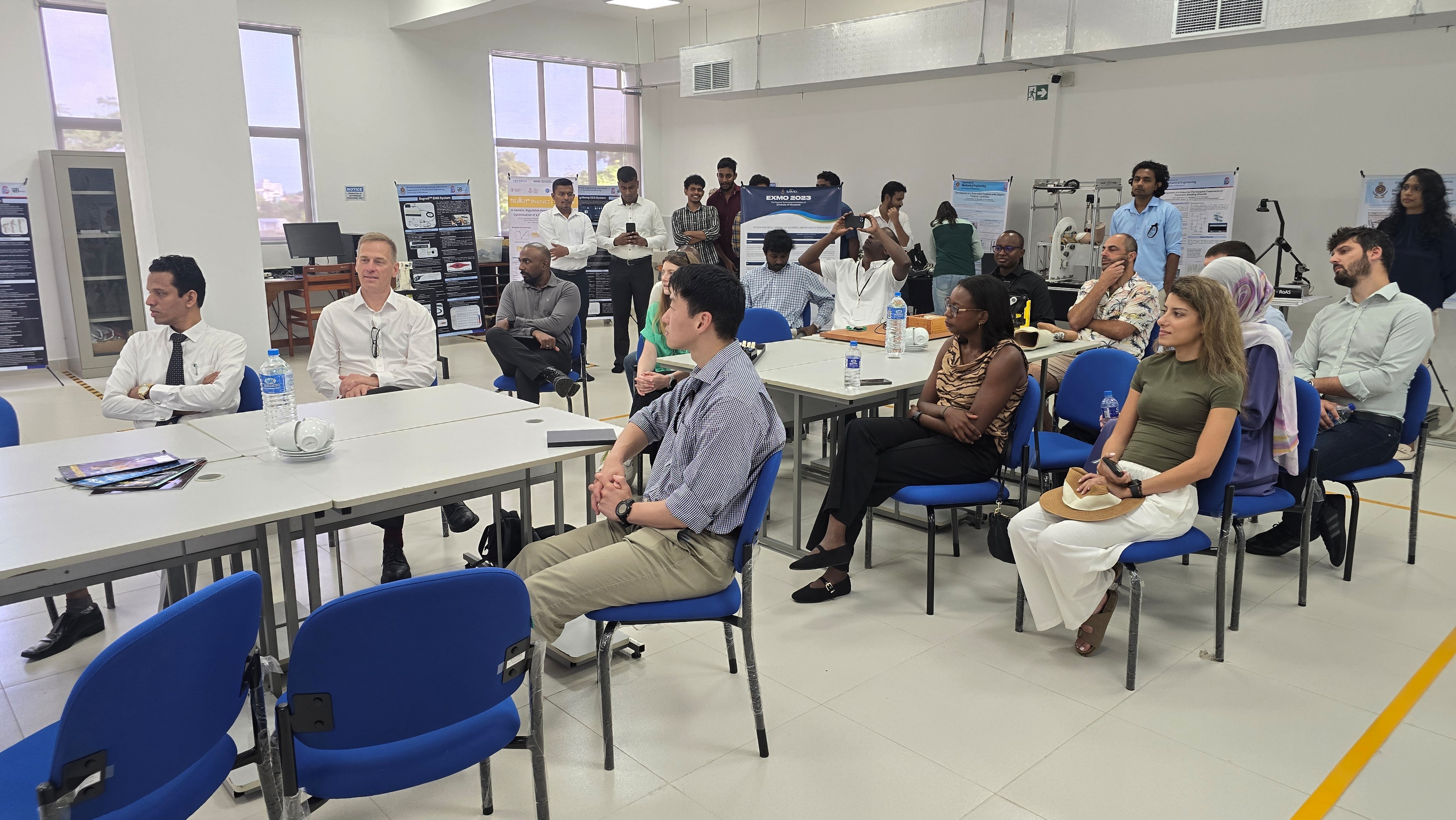
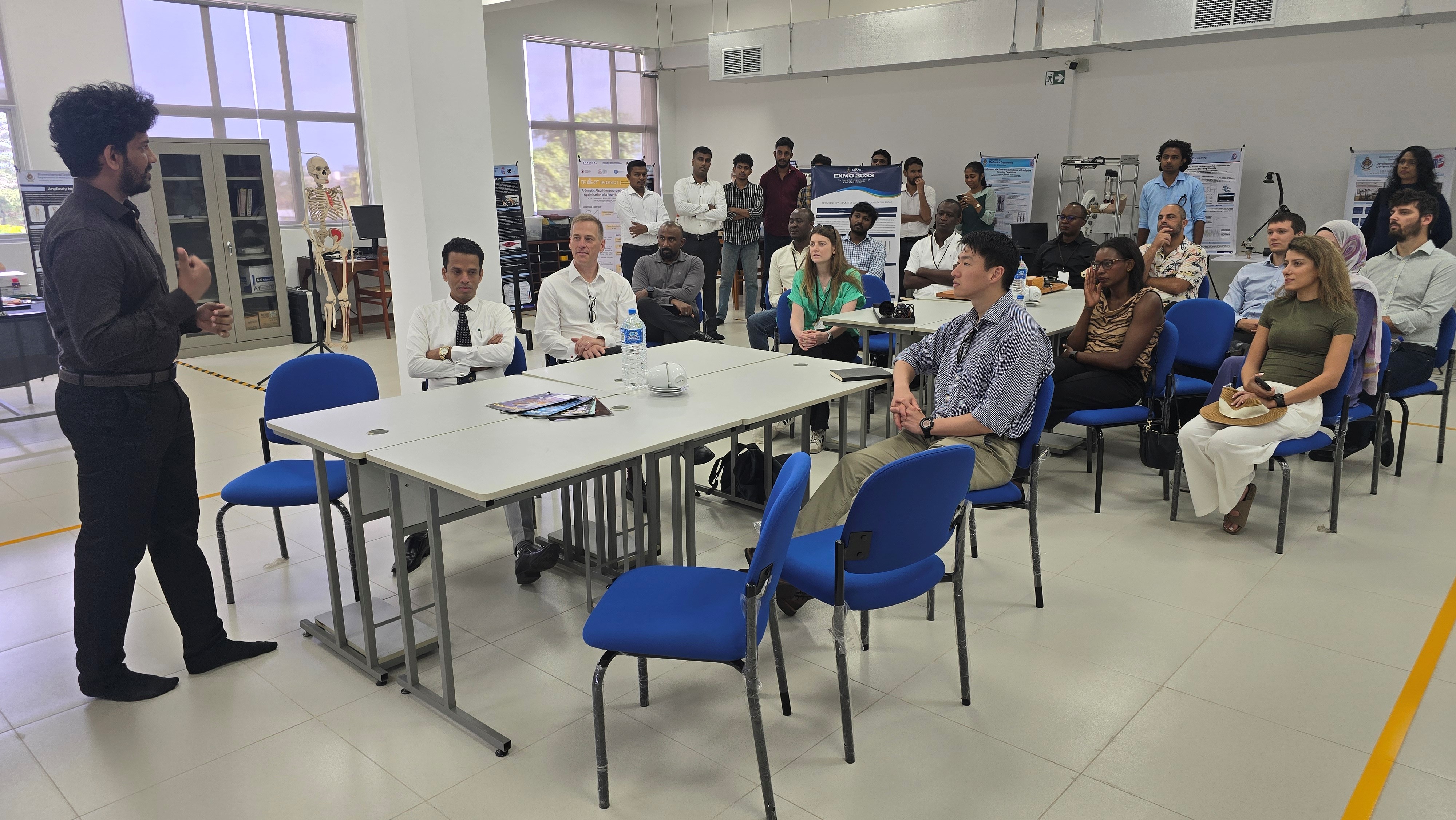
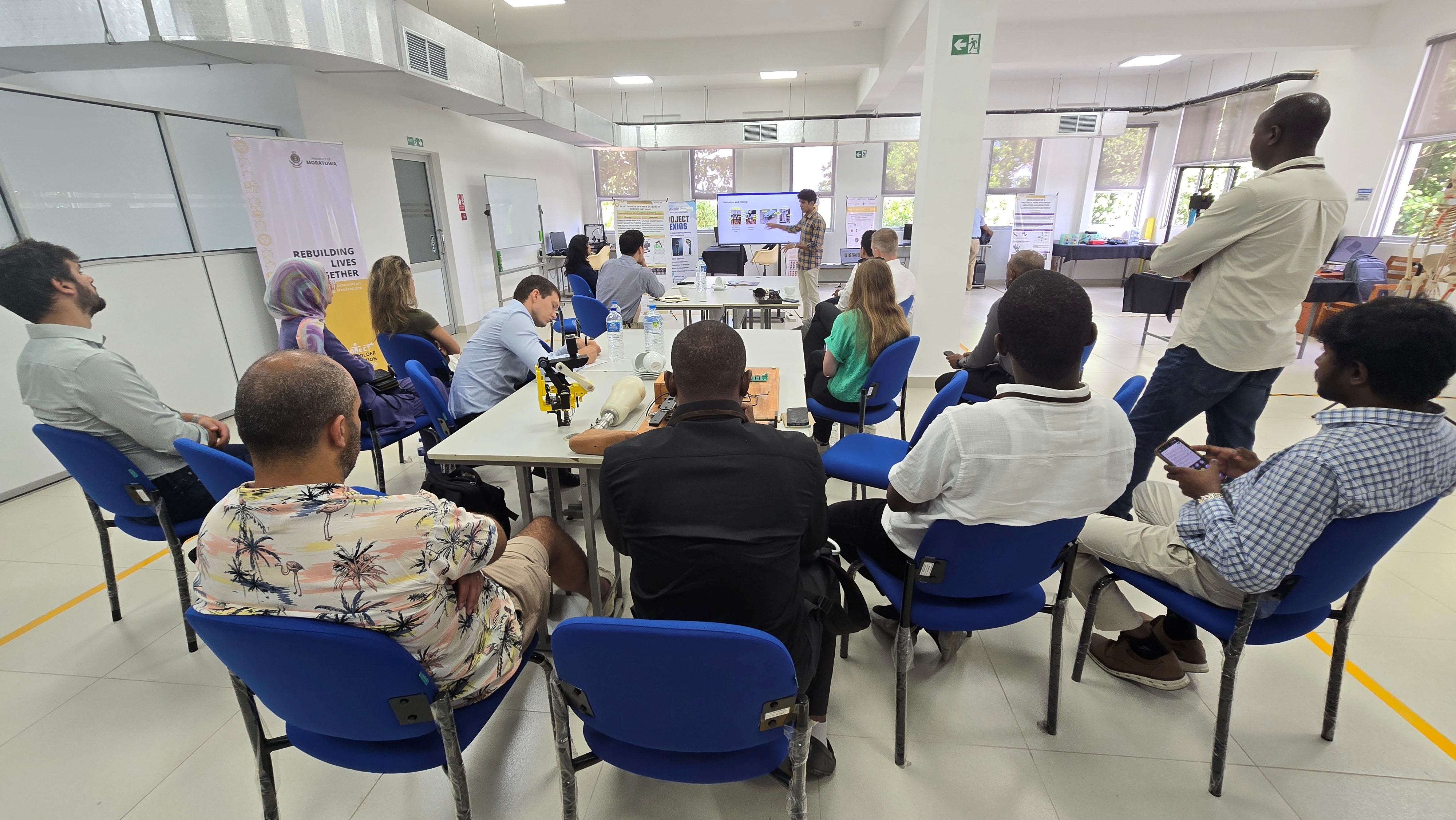
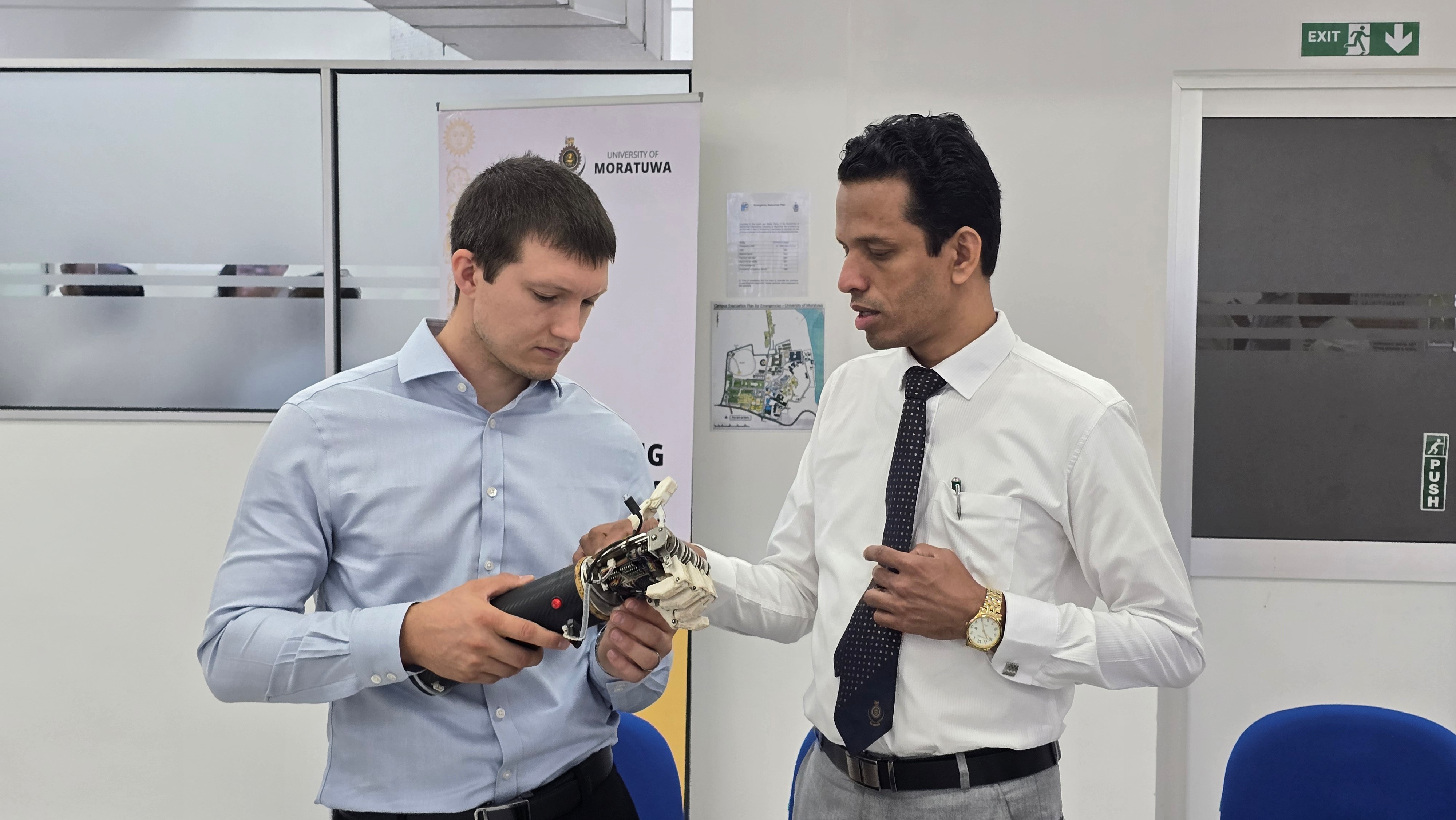
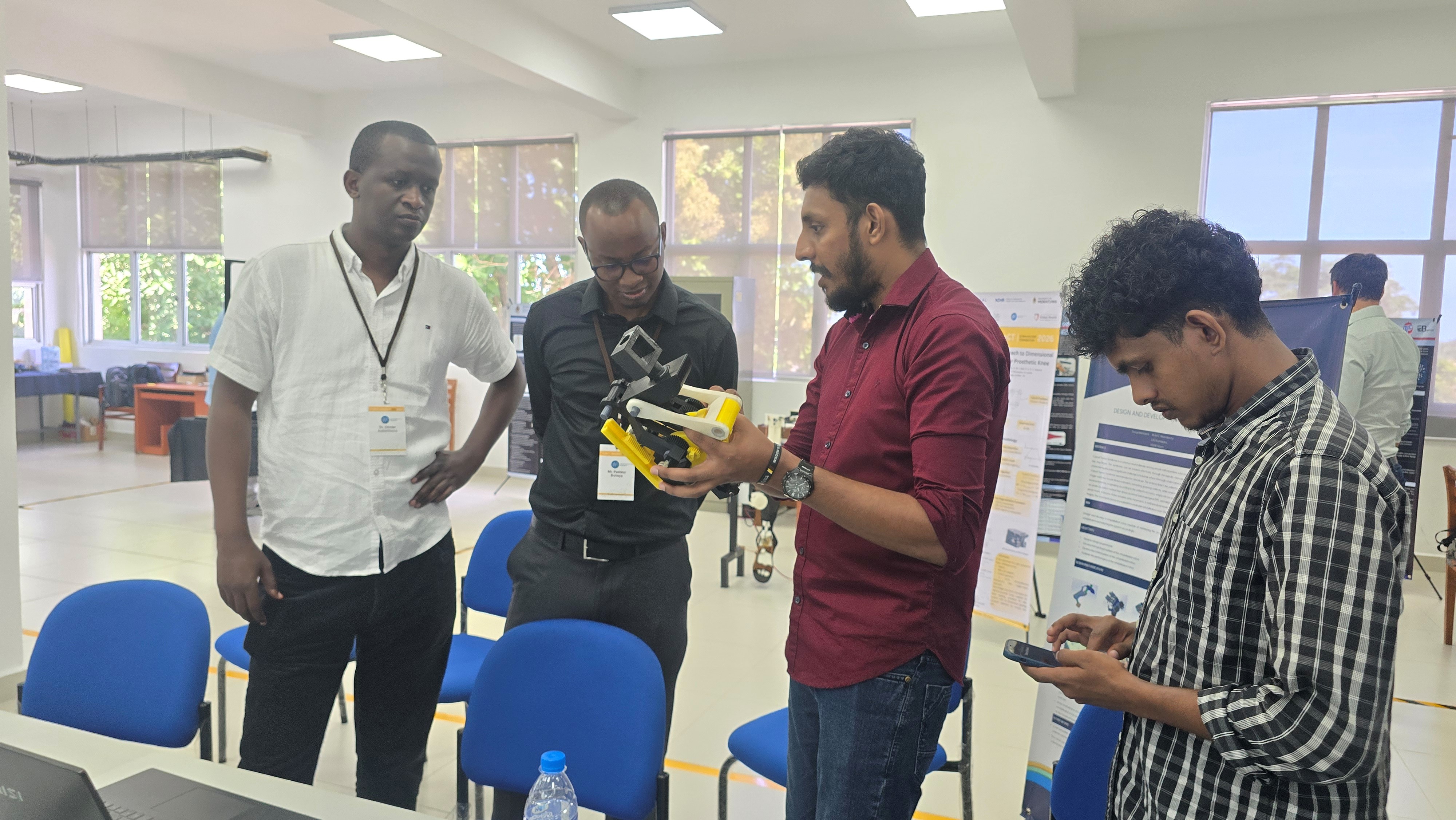
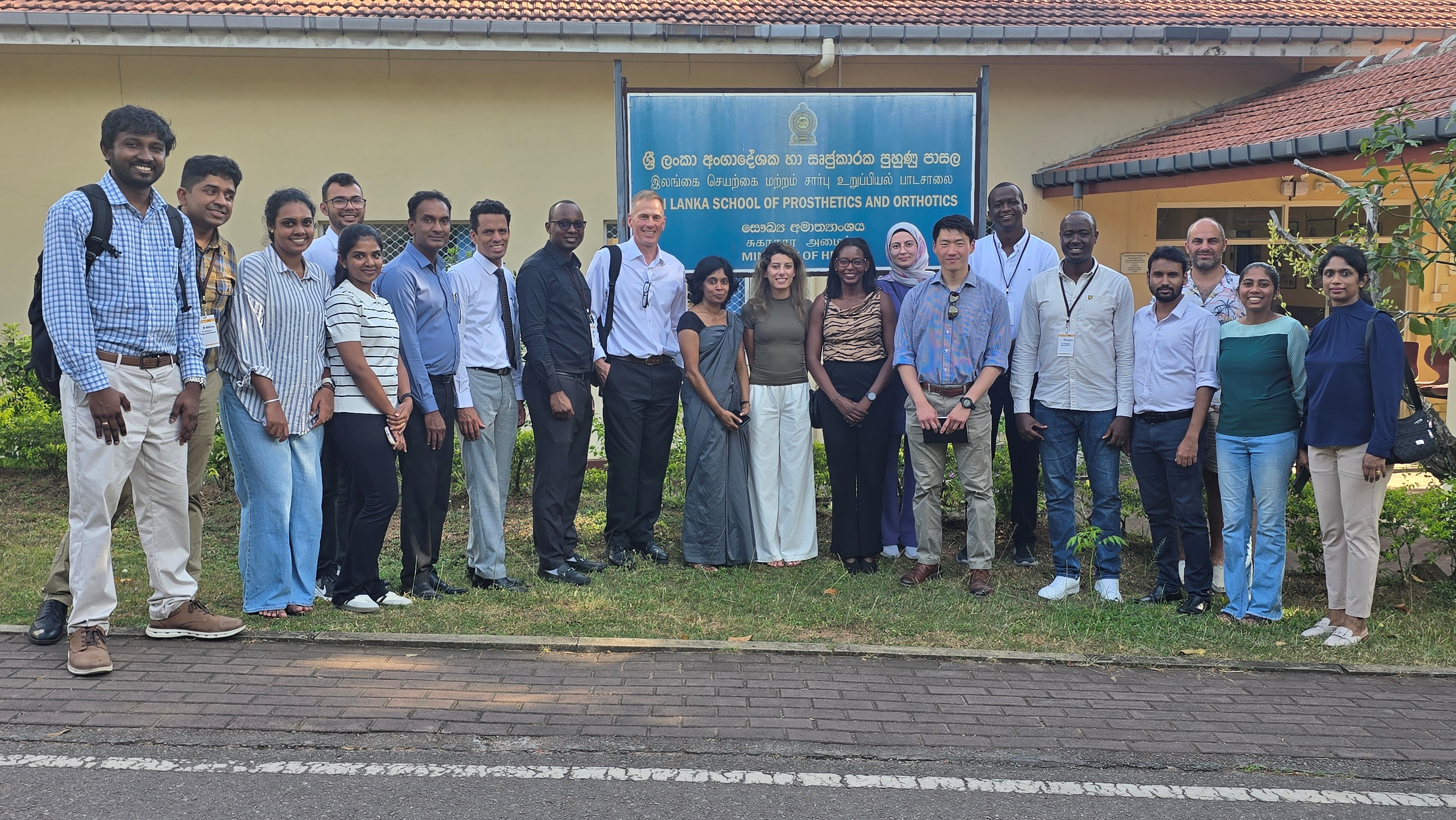
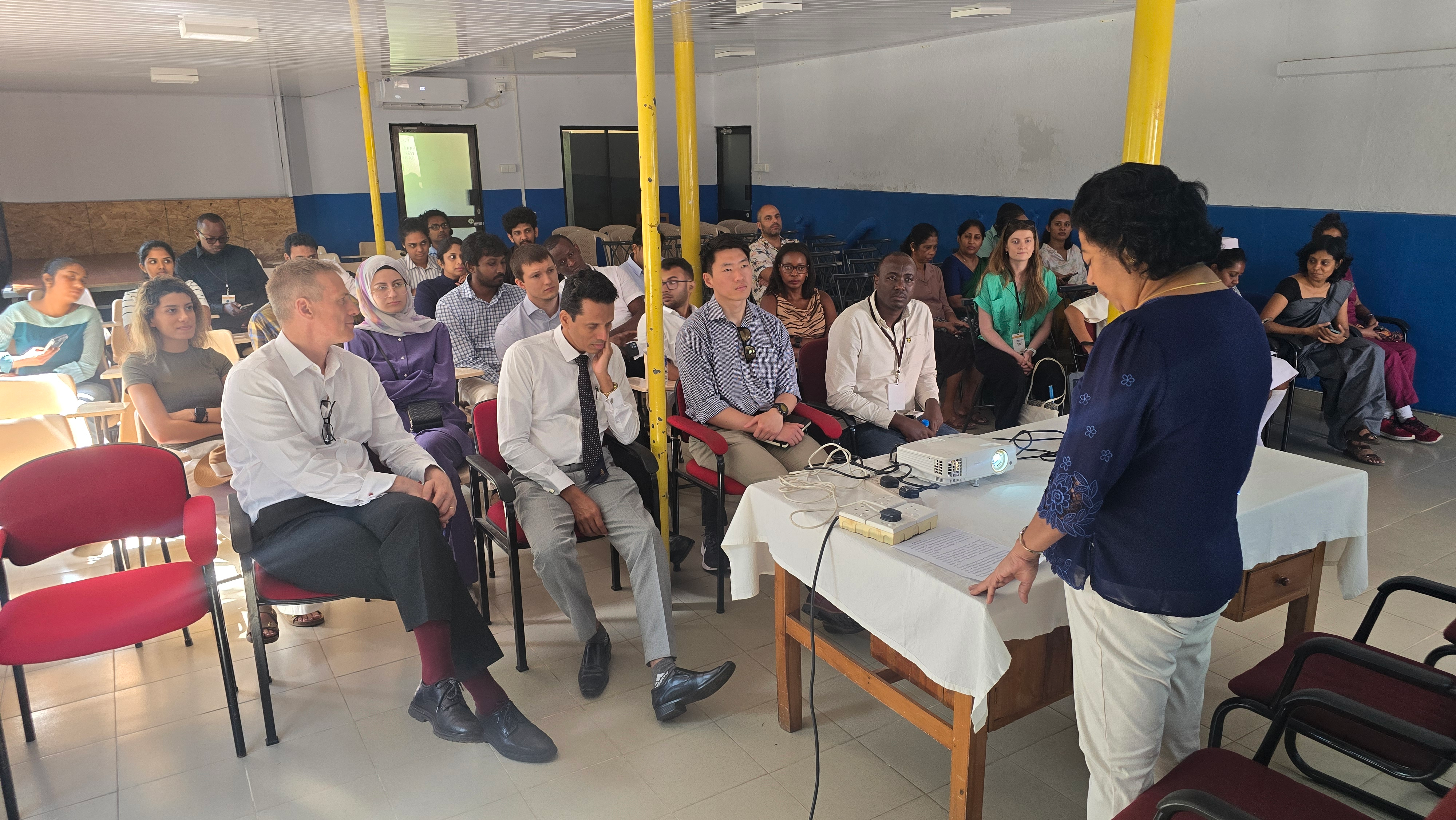
The final day involved field visits, beginning with a tour of UoM’s Mechanical Engineering Department including Biomedical Engineering Laboratory, Bionics Laboratory, and Motion Analysis Laboratory. Both undergraduate and postgraduate students had the opportunity to showcase their final-year projects and postgraduate research, followed by scholarly discussions and constructive feedback. The group also visited the Rheumatology and Rehabilitation Hospital in Ragama, guided by Dr. Dinushi and Ms. Dilani to observe how services and rehabilitation efforts are progressing in Sri Lanka.
Overall, the three-day event fostered knowledge exchange, strengthened networks, and created lasting memories, marking a productive milestone in the ongoing iPrOTeCT program.
Day 1 & 2
Day 3