
Undergraduate Programs
Explore the journey designed to prepare future innovators, engineers, and industry leaders in Materials Science and Engineering
About Our Undergraduates
The undergraduate program at DMSE offers students a strong foundation in Materials Science and Engineering principles, while also exposing them to cutting-edge research and real-world applications. Our students are trained to think critically, solve complex engineering problems, and contribute to advancing technology across multiple industries.
Program Educational Objectives
PEO1
Graduates will solve complex engineering challenges by applying advanced materials design, processing, and computational modelling.
PEO2
Graduates will implement innovative solutions that balance industrial productivity with environmental and social responsibility.
PEO3
Graduates will contribute to national development by applying materials engineering expertise through research and consultancy to drive industrial innovation and economic growth.
PEO4
Graduates will commit to lifelong learning, postgraduate research, and leadership in global professional bodies.
Program Outcomes
Engineering Knowledge
Apply knowledge of mathematics, natural science, computing and engineering fundamentals, and the engineering specialization to develop solutions to complex engineering problems.
Problem Analysis
Identify, formulate, research literature and analyze complex engineering problems to reach substantiated conclusions with holistic considerations for sustainable development.
Engineering Design
Design creative solutions for complex engineering problems and design systems, components or processes to meet identified needs with appropriate consideration for public health and safety, whole-life cost, net zero carbon as well as resource, cultural, societal, and environmental considerations as required.
Investigation
Conduct investigations of complex engineering problems using research methods including research-based knowledge, design of experiments, analysis and interpretation of data, and synthesis of information to provide valid conclusions.
Modern Engineering and IT Tools
Create, select and apply, and recognize limitations of appropriate techniques, resources, and modern engineering and IT tools, including prediction and modelling, to complex engineering problems.
Sustainability and Engineering Impacts
Analyze and evaluate sustainable development impacts to society, the economy, sustainability, health and safety, legal frameworks, and the environment, when solving complex engineering problems.
Professional Ethics
Apply ethical principles and commit to professional ethics and norms of engineering practice and adhere to relevant national and international laws. Demonstrate an understanding of the need for diversity and inclusion.
Individual and Teamwork
Function effectively as an individual, and as a member or leader in diverse and inclusive teams and in multi-disciplinary, face-to-face, remote and distributed settings.
Communication
Communicate effectively and inclusively on complex engineering activities with the engineering community and with society at large, such as being able to comprehend and write effective reports and design documentation, make effective presentations, taking into account cultural, language, and learning differences.
Engineering Management
Apply knowledge and understanding of engineering management principles and economic decision-making and apply these to one’s own work, as a member and leader in a team, and to manage projects and in multidisciplinary environments.
Lifelong Learning and Adaptability
Recognize the need for, and have the preparation and ability for i) independent and life-long learning ii) adaptability to new and emerging technologies and iii) critical thinking in the broadest context of technological change.
Opportunities for Undergraduates
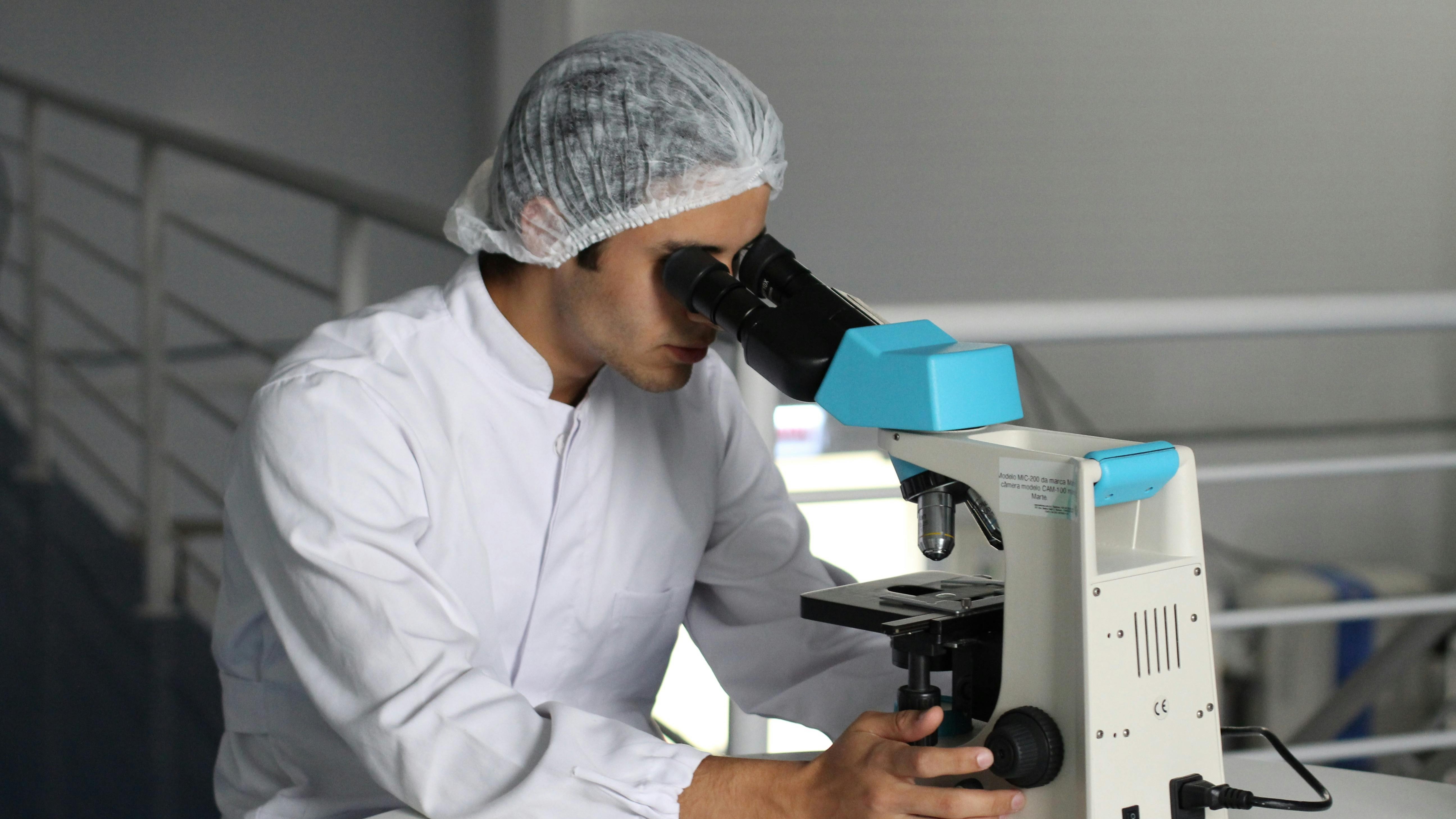
Research Projects
Students engage in industry-linked and faculty-led research projects, fostering innovation and practical skills.

Industrial Training
Industrial placements provide students with hands-on experience in leading organizations across materials, manufacturing, and technology sectors.

Global Exposure
Participating in foreign industrial and graduate talks (NexusWave), as well as international conferences, gives undergraduates a platform to network and collaborate globally.
Curriculum Overview
The curriculum includes five specialized focus areas and comprehensive core modules
➤ Specialized Focus Areas
- Polymer Engineering
- Electronic Materials Engineering
- Biomaterials Engineering
- Construction Materials Engineering
- Energy Materials Engineering
➤ Major Core Modules
- Polymer Science and Technology
- Ferrous Metallurgy
- Mechanical Behaviour of Materials
- Polymer Engineering
- Ceramic Engineering
- Characterization of Materials
- Industrial Metallurgy
- Selection of Materials and Failure Analysis
Undergraduate Life at DMSE
Life as a DMSE undergraduate is vibrant and dynamic. Beyond academics, students actively participate in student societies, sports, cultural activities, and leadership opportunities. This holistic environment ensures personal growth, teamwork, and the development of leadership skills essential for future success.
DMSE Handbook 2025
Download the official Department of Materials Science and Engineering handbook for comprehensive program details, course descriptions, and academic guidelines.